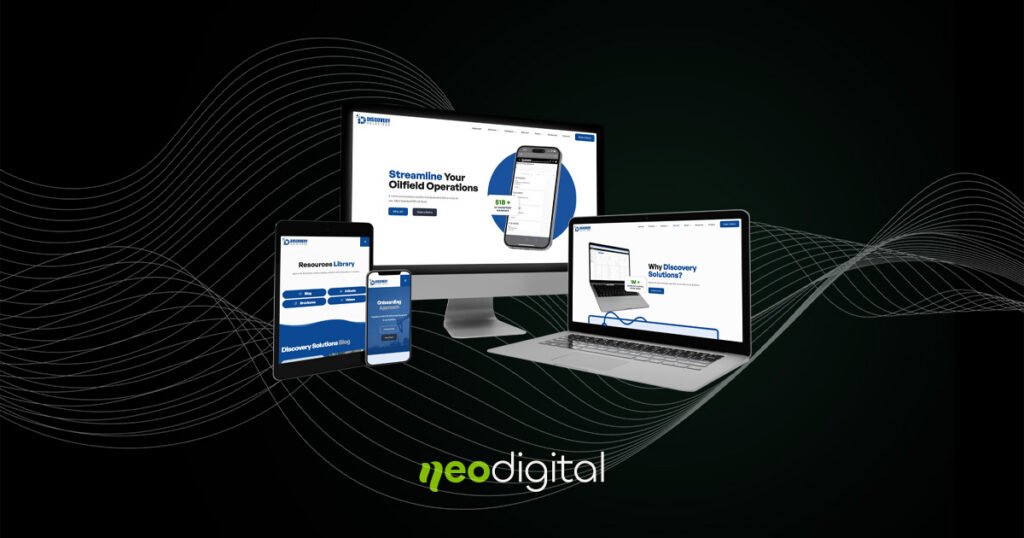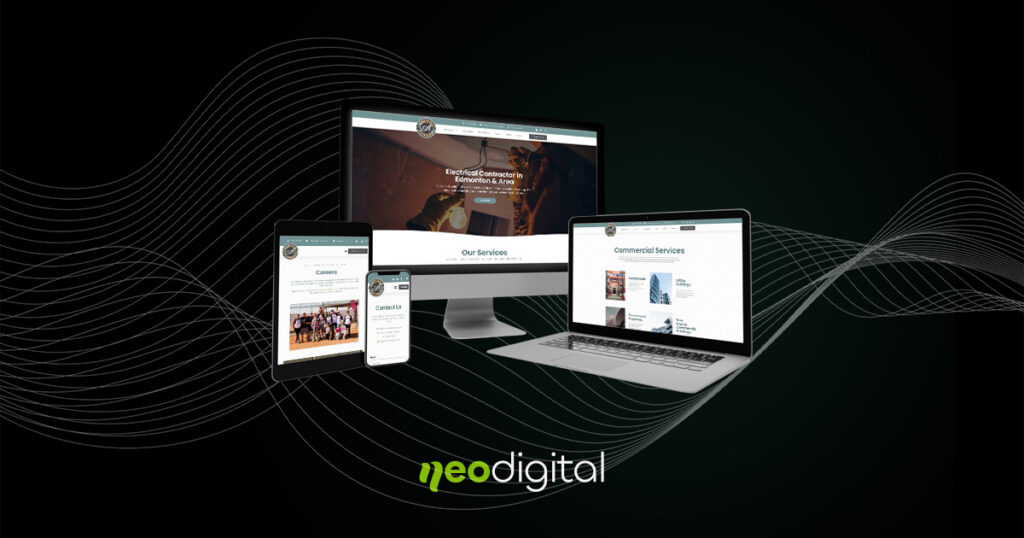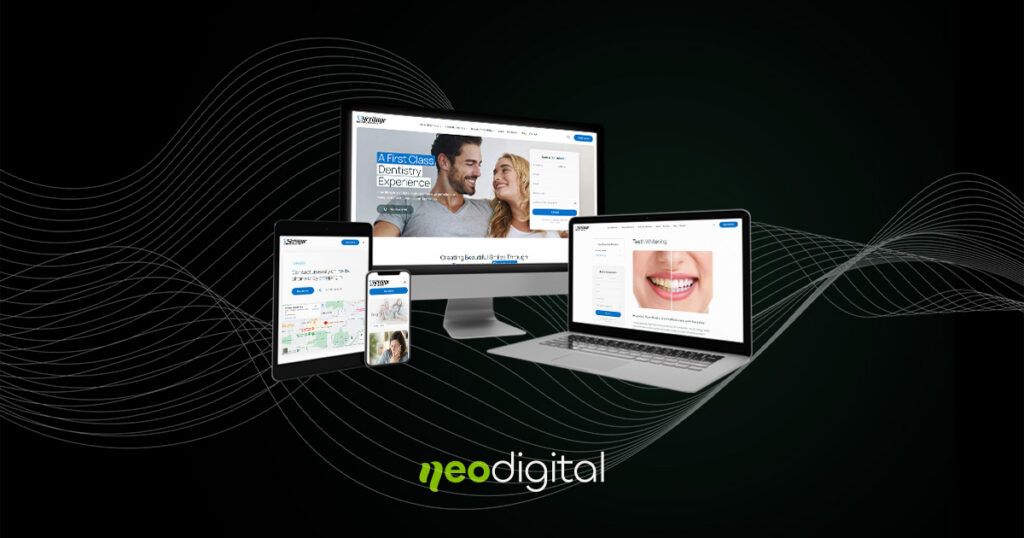
Neo Digital is an Edmonton studio that builds websites, local search programs, and ads for growing brands. The work is practical. A site has to be editable, the pages have to match the services a company actually sells, and the search program has to point at those same pages. Clients include home-service companies, clinics, and local retailers that need to be found in Edmonton and in the neighbourhoods around it.
A website project starts with the offer, not a theme. We write down who the page is for, what they are trying to hire, and which proof belongs on the page. The build is usually WordPress, because owners need to change a service, a neighbourhood, or a staff page without a developer on every edit.
Webflow is used when the design is the product and the marketing team will publish in that tool. Shopify is used when the catalog and checkout are the business. The same questions apply in each case. Can a visitor tell what is sold, where the company works, and how to start?
Design on these projects is the layout of that answer. Headings name the service. Sections follow the order a buyer uses: what it is, where it is available, what it costs to inquire, and what happens next. Photography and client work sit next to the claim they support.
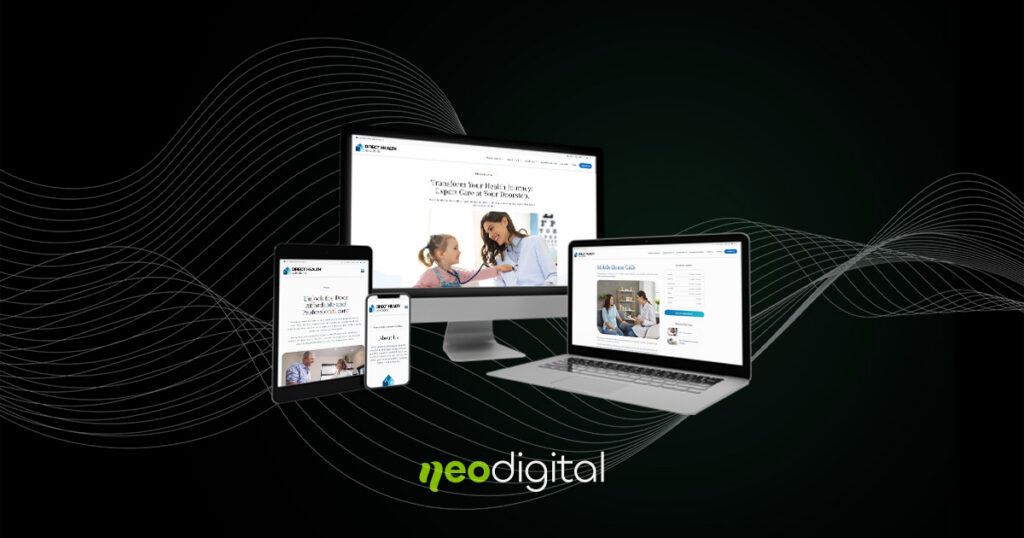
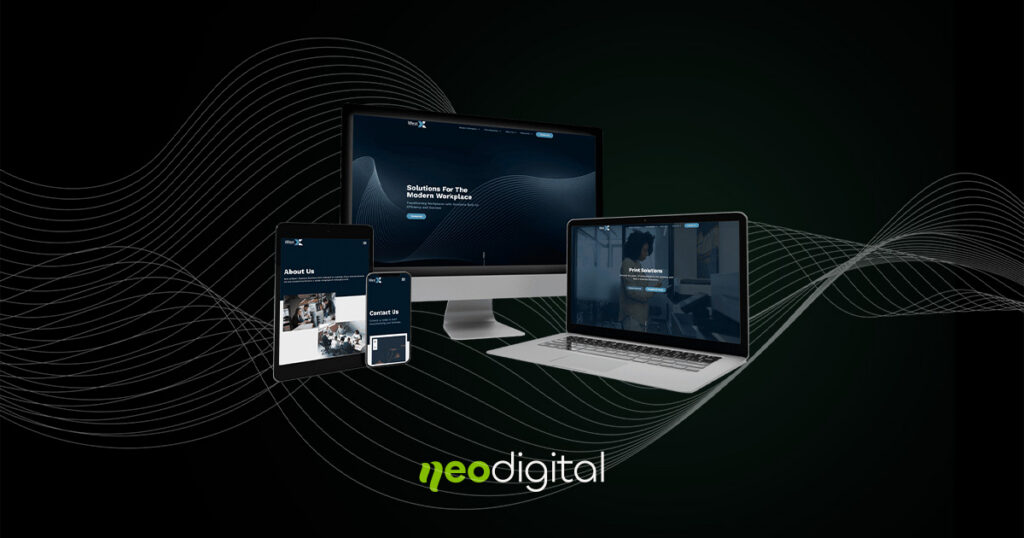
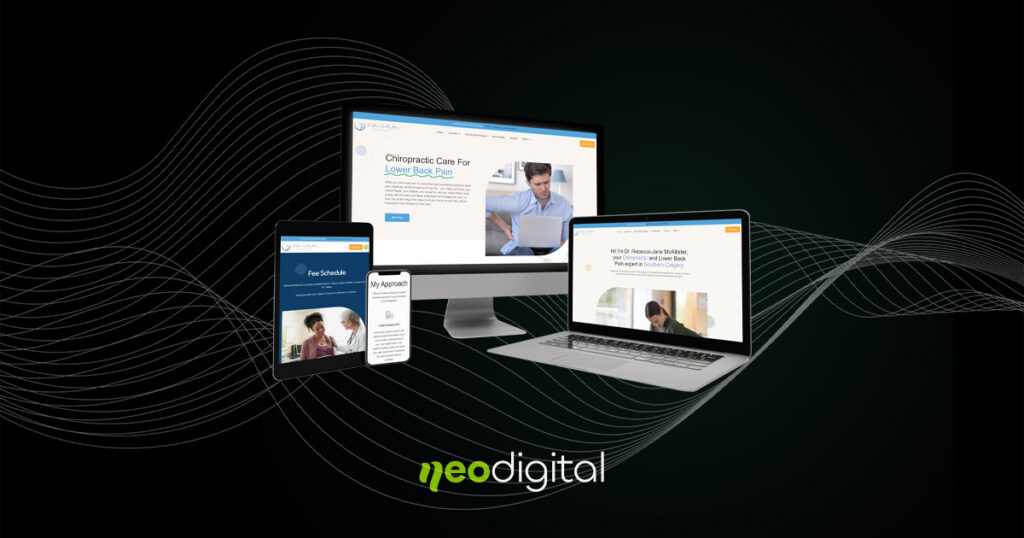
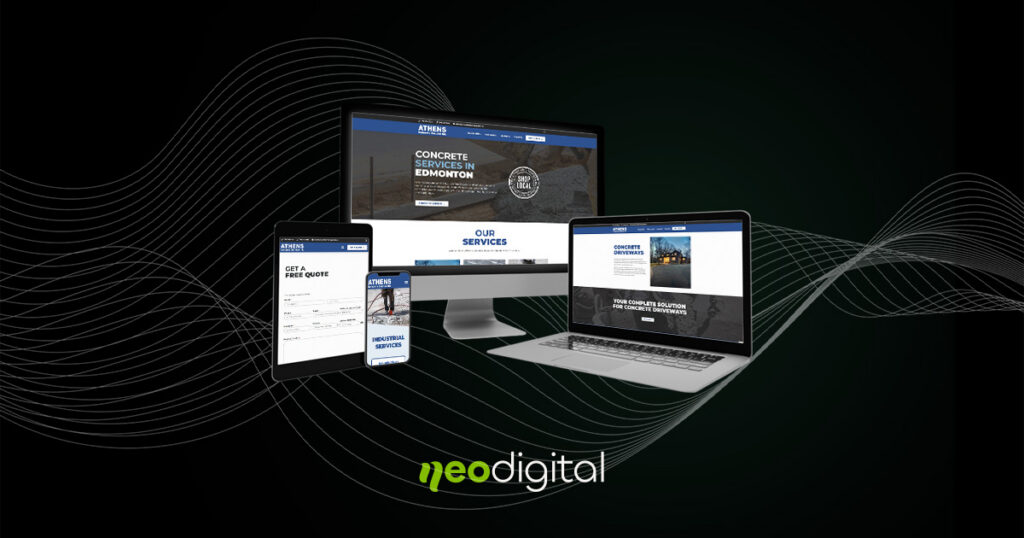
We do not add a block because a template had an empty row. If a section does not help someone choose, it does not stay. That is why the case studies are specific. A blinds company, a dental clinic, and a business-services firm do not need the same homepage, and the pages on this site show the difference.
Local search is handled as a set of pages, not a list of keywords pasted into one document. A company that serves Edmonton has a home area and then the streets, bridges, and neighbourhoods where the jobs actually are. Each service-area page names that place and describes the search around window treatments for blinds and shade companies.
The point is a page a homeowner can land on when they already know the landmark, and a page the business can keep updated when the service area changes. The index at the service-area section lists those places so none of them sit one click deeper than they need to.
The blog is the library behind those pages. It covers how to read a local search program, what an audit should change, and how Google Search Console shows which queries already reach the site. The posts are written for an owner or a marketing lead, not for another agency.
They name the tool, the decision, and the limit of what the tool can tell you. A report that does not change a page or an ad is just a file. The studio uses the posts as the explanation we would give in a working session, and then the client site gets the shorter version that matches its own services.
Ads are tied to the same offer as the page. If the search ad promises a shade consultation in a neighbourhood, the page it opens has to be that consultation, not a general homepage with the neighbourhood mentioned once. We build the page and the campaign together so the headline, the form, and the follow-up say the same thing.
Reporting is the queries, the calls, and the form fills that came from that page. It is not a stack of scores. When a page is not earning the inquiry, we change the page or we stop spending on the query. That loop is the work after launch, and it is why the site is built to be edited.
After a site goes live, the maintenance is ordinary and scheduled. New service areas get a page when the company actually covers them. Old pages are updated when the offer changes. Staff pages, location details, and proof are checked when the business changes, not on an annual template pass.
The studio keeps a sitemap of what is published so a new page is added next to the related service instead of orphaned in a blog category. Internal links are written in sentences. A case study points at the service it demonstrates. A service page points at the area pages that match the crews. That is the structure Semrush and a customer both have to be able to follow.
If you are comparing Edmonton studios, use the work section and the service pages, not a slogan. The work section shows finished sites for real clients. The service pages say what a website, a search program, or a store build includes.
The contact page is the direct line, with the studio in Edmonton and the projects focused on companies that sell in this region. Neo Digital is a small team. The same people who scope the project write the pages and check them after they are published. That is the practice behind every URL on this site: a clear offer, a page that states it, and a way to measure whether anyone hired from it.
Window-treatment marketing is one of the clearer examples on this site. A blinds or shade company does not win the job on a generic Edmonton page. Homeowners search the road, the bridge, or the neighbourhood they live in, and they want a company that already works there.
The service-area pages exist so that search has a specific answer: the product, the area, and the studio that built the page. They are not doorway pages with the street name swapped. Each one is a location a crew can actually serve, and the copy stays on window treatments because that is the client work these URLs support.
Graphic design and the other service pages follow the same rule. The page says what is delivered, who it is for, and what the first step is. A visitor should not have to infer the offer from a slider. If the page is about a Shopify catalog, it talks about products, collections, and the checkout.
If the page is about Webflow, it talks about a design-led site the marketing team can publish. If the page is about WordPress, it talks about a site the owner can edit after the project is done. Mixing those promises on one URL makes the page harder to trust and harder to rank.
Proof sits in the work section. Each case study names the client and the kind of site that was built, and it links back to the service that produced it. That link is how a reader moves from an example to an offer without a dead end.
The same idea runs through the blog. A post about an audit ends by pointing at the service that does the audit. A post about Search Console points at the search program, not at a pile of unrelated pages. Internal links are part of the page, written as sentences, because a list of bare URLs does not help a person or a crawler understand the site.
When you are ready to talk, the contact page is enough. Say which service you need and which city or neighbourhood the customers are in. We will tell you whether the next step is a new site, a repair of the one you have, or a search program on pages that already exist.
Neo Digital is based in Edmonton and the published work is for companies that sell here. The pages on this domain are the public record of that practice, kept current so the description matches the work.
A page earns its place when it can stand alone. Someone who has never heard of the studio should be able to read one URL and know the service, the city, and the next step. That is the standard used for the service pages, the case studies, and the area pages.
Navigation can help, but the page itself has to carry the explanation. This note is part of that standard. It states who the studio is, how a project is scoped, and how the published pages relate to each other, so a single URL is not only a template with a headline.
The technical side of the site is there to serve that reading. Styles and scripts are part of the build, and the words above them are the part a person came for. When a template is heavy, the fix is not to hide text.
The fix is to say, in normal language, what the company does and where. Edmonton website design, local SEO, and the store and Webflow builds are the offers. Window-treatment SEO is the example used on the area pages because that client work is specific: blinds and shades, sold to homeowners near a real street or bridge, with a page that names the place.
If you are an owner reading this at the bottom of a page, you now have the same account we would give in a first meeting. We build the site around the offer.
We write the pages so each one can rank and can be read. We connect the example, the service, and the area. We measure inquiries, not vanity scores. And we keep the pages editable so the site still matches the company six months later. That is Neo Digital, and it is the reason these URLs exist.
The studio is in Edmonton and the clients are companies that sell to people here. A typical project has three parts that stay in one conversation. First is the site: the pages, the editing workflow, and the proof. Second is the search program: the queries the business should be found for, the pages those queries should open, and the links between those pages.
Third is the advertising, when a paid click is the fastest way to the same offer. Splitting those across vendors is how a homepage says one thing, a landing page says another, and an ad says a third. We keep them together so the sentence a customer reads is the sentence the business can deliver.
Neighbourhood pages are written only where the company works. A bridge, a trail, or a numbered street is included because jobs come from there, not because a list of Edmonton places was copied into the sitemap. The title names the place.
The page explains the service in that place. The description in the head of the page is the same fact in one sentence, so a search result does not promise something the page does not say. When a place is no longer served, the page is redirected to the location that is. That housekeeping is part of publishing, and it is why the area index matches the pages that are actually live.
You can judge the fit from what is already public. Read a case study and see whether the result is a site you would want to edit. Read a service page and see whether the offer is specific. Read an area page and see whether the place is real.
Then use the contact page if you want that standard applied to your own company. Neo Digital will tell you what the first build should be, which pages should exist on day one, and which measurements we will look at after the site has been live long enough to learn from. The work is local, the pages are written in full, and the studio name on this site is the team that does it.
Every public URL is expected to answer a question without the rest of the site open beside it. A homepage answers what the studio does. A service page answers what that engagement includes. A case study answers what the finished work looked like for a named client. An area page answers where a window-treatment company can be found.
A blog post answers one working question, such as how to read Search Console or what an audit should change. When those answers are thin, the page is not finished, even if the layout is. The text on this site is written to that test, including the explanation in this section, so the document a crawler downloads contains the same account a person can read.